This website uses modern construction techniques, which may not render correctly in your old browser.
We recommend updating your browser for the best online experience.

Visit browsehappy.com to help you select an upgrade.

Skip to Content

Posted on

Choosing the right site might seem like a small detail, but getting it right it can make a big difference to your overall holiday experience. 

With so many site types to choose from, it’s not always obvious which option will suit your setup best. Think of this as your go-to cheat sheet for understanding the different site types you’ll generally come across when booking a caravan and camping stay at one of our holiday or caravan parks, why travellers love them, and which setups they’re best suited to. 

Whether you’re travelling with a tent, caravan, camper trailer or motorhome, this guide will help you quickly decode the options, compare what matters, and help you choose a site that fits your setup with confidence.

New to camping? A little prep goes a long way. Don't miss our guide to 6 Common Mistakes First-Time Campers Make (And How to Avoid Them).
Powered sites (electricity access)

A powered site gives you access to electricity for appliances, lights, charging and comfort add-ons like fans or heaters. It’s the classic choice for caravans, campervans and many camper trailers, but plenty of tent campers book powered sites too for convenience. 

Why people choose powered sites

  • They want reliable power (especially in hot or cold weather).
  • They’re running fridges, medical devices, CPAP machines, or simply want easy charging. 

Best for

  • Caravans, motorhomes, campervans, camper trailers and “powered tent” setups. 

Good to know

  • Some powered sites include water hookup, and some include sullage. Site listings will usually specify this. 

Unpowered sites (no electricity)

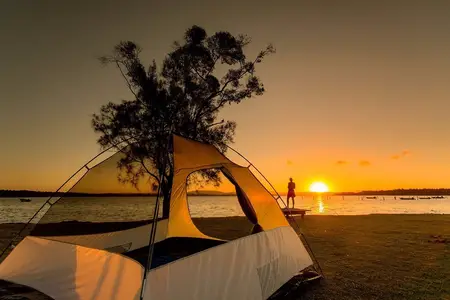
Unpowered sites are for travellers who prefer a more off-grid feel or who have their own power via solar, batteries, or minimal gear. They’re commonly used by tents, swags and smaller rigs—though suitability depends on the individual park. 

Why people choose unpowered sites

  • They want a simpler, more back-to-basics stay.
  • They’re set up for solar or don’t need mains power. 

Best for

  • Tents, swags, camper trailers, rooftop tents and some small campervans (park-dependent). 

Grass sites: soft underfoot, classic camping vibes

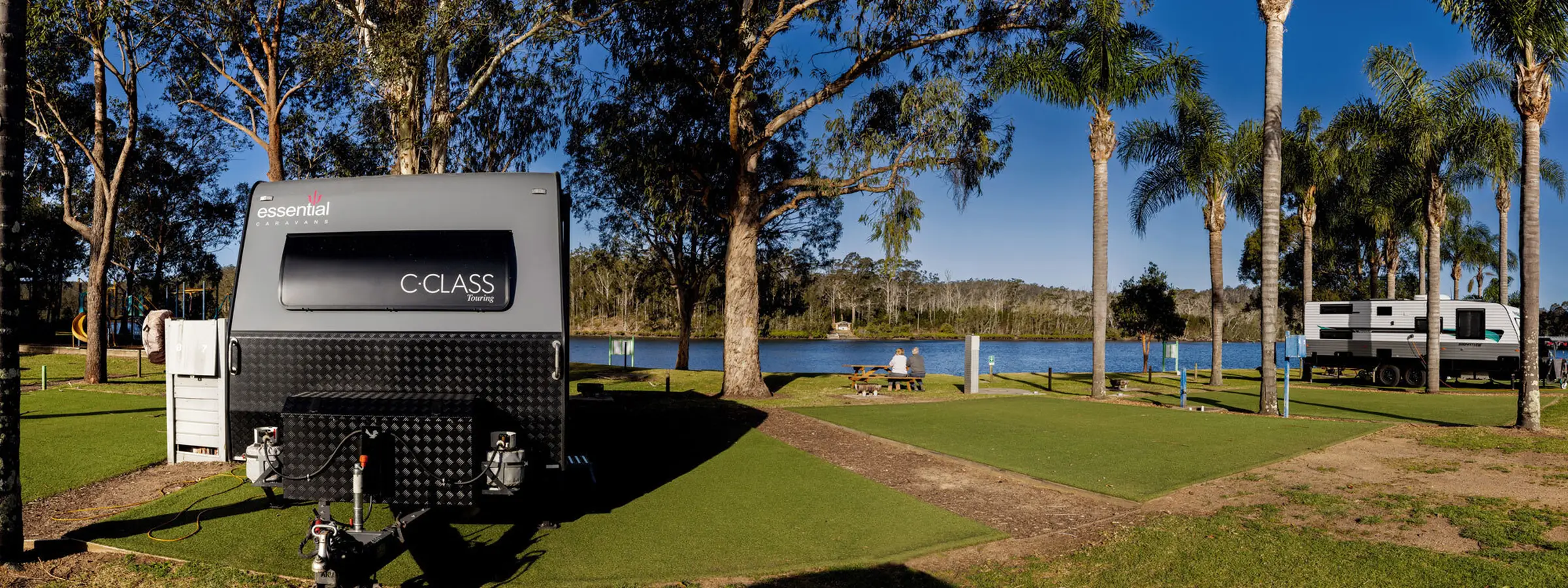
A grass site means you’re setting up on turf (sometimes with a small pad or mixed surface). It’s a favourite for traditional camping because it’s softer, cooler underfoot, and generally more comfortable for tents and kids playing outside. 

Why people choose grass sites

  • They feel more “campground” than carpark.
  • They’re kinder for tent pegs and ground mats. 

Best for

  • Tents, camper trailers, smaller caravans and campervans. 

Good to know

  • After heavy rain, grass can get soft or muddy, great drainage is a bonus if you’re travelling in wetter months. 

Gravel sites: practical, tidy, great drainage

A gravel site is a hard standing surface made of compacted gravel. Many travellers like it because it’s tidy, predictable under wheels, and tends to drain well in wet weather. Gravel can also be cooler than concrete in hot conditions because it doesn’t store and radiate heat in quite the same way. 

Why people choose gravel sites

  • Great drainage and less mess after rain.
  • A stable base for caravans and motorhomes, often with drive-through formats available. 

Best for

  • Caravans, motorhomes and campervans (especially if you want a firm base). 

Considerations

  • Not the most comfortable surface for tents (unless the site has grass surrounds or you bring thick matting). 

Slab sites: level, stable, fast to set up

A slab site usually means a concrete (or paved) pad designed to make parking and levelling easier, especially for caravans and motorhomes. It’s a practical option when you want a clean, stable base and a quicker arrival routine. 

Why people choose slab sites

  • Less time levelling and stabilising.
  • Better for heavier rigs, particularly when weather is unpredictable. 

Best for

  • Caravans, motorhomes, campervans, buses (depending on size). 

Good to know

  • Concrete can retain heat in summer. If you’re travelling in warmer months, consider shade, airflow, or outdoor matting for comfort. 

“Mixed” surfaces (grass + gravel) and why they’re common

Some parks offer sites that blend surfaces like a gravel pad with grass surrounds which can be a best-of-both-worlds approach: stable where your wheels sit, softer where you walk and relax. 

A good example is unpowered sites with a gravel pad and grass surrounds (great for tents and camper trailers but not always intended for caravans). 

Ensuite sites: your own private bathroom

An ensuite site means your site comes with a private bathroom, typically a shower, toilet and basin so you don’t need to walk to the amenities block. It’s a favourite add-on for longer stays, winter trips, families with young kids, and anyone who likes a bit more privacy. 

Why people choose ensuite sites

  • Convenience and privacy, especially at night or with children.
  • A more comfortable experience without upgrading to a cabin. 

Best for

  • Caravans, motorhomes, campervans and camper trailers (park-dependent). 

Good to know

  • Ensuite sites can book out quickly in peak seasons because there are often fewer of them in the park mix. (If you see one that fits, it’s worth locking it in early.) 

Drive-through sites: easiest arrival, ideal for overnight stops

A drive-through site is exactly what it sounds like: you drive in one end and out the other, so you can avoid reversing and tight manoeuvres. They’re especially popular for road-trippers doing one-night stays or anyone towing who wants a smooth, low-stress setup. 

Why people choose drive-through sites

  • No reversing. No awkward angles. Less time setting up.
  • Great for quick stopovers. Arrive late, leave early, easy. 

Best for

  • Caravans, motorhomes, longer rigs, travellers towing trailers. 

Big rig sites: built for longer, heavier setups

A big rig site is designed for large vehicles, think fifth-wheelers, buses, and longer caravans that need extra room to manoeuvre, park and set up safely. If you’ve ever had that moment where the turning circle feels too tight, this is the category that makes travel calmer. 

Why people choose big rig sites

  • More space and easier access (less stress on arrival).
  • Better fit for long rigs. No squeezing in, no blocking access. 

Best for

  • Buses, fifth wheelers, long motorhomes, large caravans (often eight metres plus).  

Booking tips that save headaches later

  1. Measure your full length properly (include drawbar and rear accessories). Drive-through and big rig sites are built for this, but accurate info helps parks allocate you correctly.
  2. Think about your typical arrival time. Late arrival? A drive-through can make the whole stop feel easier.
  3. Match your surface to your season. Gravel can be great for drainage in wet weather, while slab sites can feel warmer underfoot in summer.
  4. If privacy matters, go ensuite early. Ensuite sites are popular and often limited, so they’re worth booking ahead when you can. 

The “best” site is the one that fits how you travel

There’s no one-site-fits-all when it comes to camping and caravanning sites.

For some, it’s a grassy patch under the trees. For others, it’s a level slab with everything within reach. For families, it might be an ensuite that makes mornings easier and evenings more relaxed. It’s not about choosing the most premium option. It’s about choosing the one that makes your stay feel effortless.

Because once your setup works, everything else falls into place. You spend less time adjusting, and more time enjoying where you are.

And that’s really what it means to go explore.

Find a park

Post Categories Travel tips

Post Tags Travel tips

Older All posts Newer