Posted on
Why Winter is the best time of year to stargaze in Australia
There's something special about a winter night outdoors. The campfire crackles, the air turns crisp, and as darkness settles in, thousands of stars begin to appear overhead.
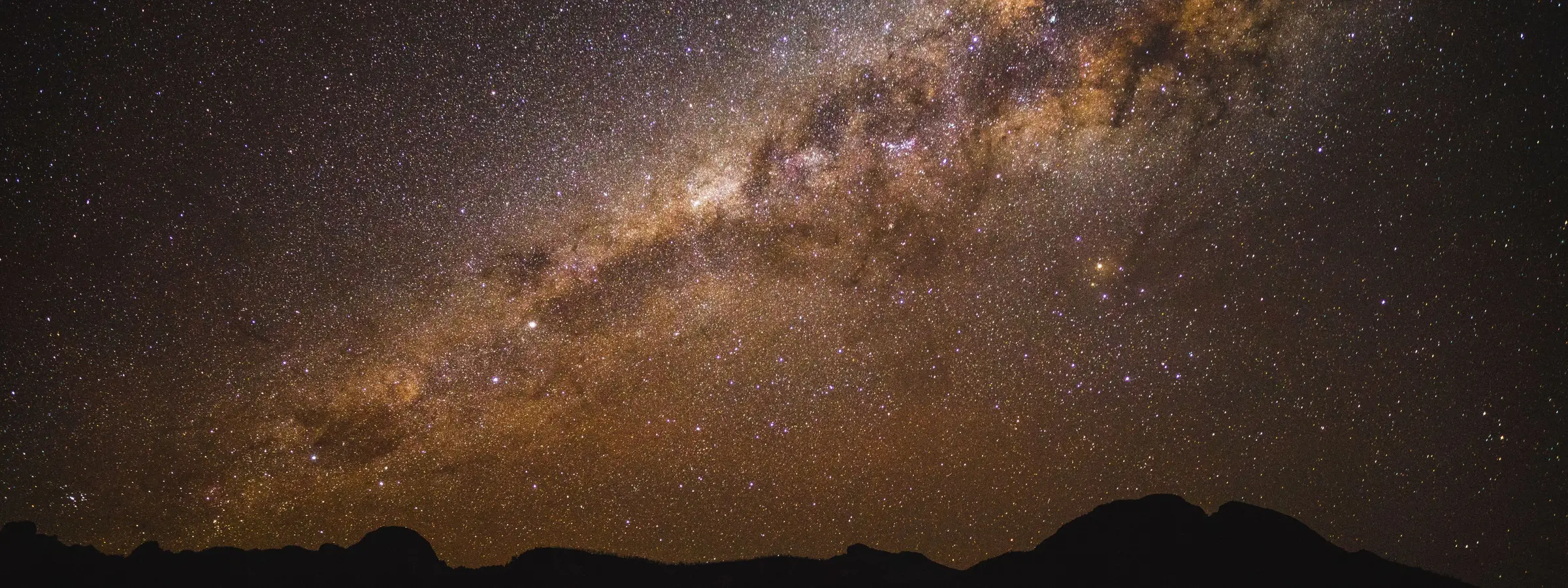
Winter is one of the best times of year to go stargazing in Australia. Cooler temperatures, lower humidity and longer nights often mean clearer skies, making it easier to spot everything from the glowing band of the Milky Way to distant planets and constellations.
Many Hampshire Holidays holiday parks are perfectly placed away from bright city lights, giving you front-row seats to some of Australia's most spectacular night skies. Whether you're camping beneath the stars, relaxing outside your cabin or enjoying a quiet evening by the water, winter is the perfect time to slow down and look up.
Where to find Australia's best winter night skies
Longreach Tourist Park – Longreach, QLD
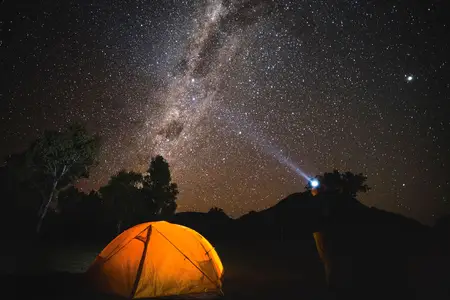
Few places showcase Australia's night sky quite like the Outback. With vast open landscapes and minimal light pollution, Longreach is one of the country's premier stargazing destinations.
Best time to visit: May to September
What you'll see: The Milky Way stretching from horizon to horizon, the Southern Cross, Scorpius, Centaurus and, depending on the season, bright planets like Saturn or Jupiter.
Local tip: Head beyond the town lights towards the Mitchell Grass Plains for uninterrupted 360-degree views of the night sky. Pack a blanket and give your eyes 15 minutes to adjust before looking up.
Where to Stay: Longreach Tourist Park
BIG4 Wallaga Lake Holiday Park – Wallaga Lake, NSW
Tucked between the lake and the coast, Wallaga Lake offers peaceful winter evenings and beautifully dark skies. On calm nights, you'll often see the stars reflected across the still water, creating an unforgettable view.
Best time to visit: May to August
What you'll see: The Southern Cross, the bright core of the Milky Way and countless stars mirrored on the lake's surface.
Local tip: Wander down to the waterfront after sunset and enjoy one of the quietest stargazing spots on the NSW South Coast.
Where to Stay: BIG4 Wallaga Lake Holiday Park
BIG4 Opal Holiday Park – Lightning Ridge, NSW
If seeing the Milky Way in all its glory is on your bucket list, Lightning Ridge is hard to beat. The combination of wide-open Outback skies and incredibly low light pollution creates breathtaking viewing conditions throughout winter.
Best time to visit: April to September
What you'll see: Brilliant constellations, the Milky Way in stunning detail and the Southern Delta Aquariid meteor shower, which usually peaks in late July.
Local tip: Bring a camp chair, a warm jacket and a thermos. Find a quiet spot outside town and settle in for one of Australia's best natural light shows.
Where to Stay: BIG4 Opal Holiday Park
BIG4 Lucinda Wanderers Holiday Park – Lucinda, QLD
With Hinchinbrook Island on the horizon and the ocean stretching into the distance, Lucinda offers spectacular coastal skies with very little light pollution.
Best time to visit: June to September
What you'll see: The Milky Way rising over the Coral Sea, southern constellations and bright winter planets.
Local tip: Take an evening stroll along Lucinda Jetty, the longest service jetty in the Southern Hemisphere, for expansive views across the water and a unique place to experience the night sky.
Where to Stay: BIG4 Lucinda Wanderers Holiday Park
BIG4 Townsville Gateway Holiday Park – Townsville, QLD
Just beyond the city lights, Townsville opens up to surprisingly dark skies and excellent winter stargazing.
Best time to visit: May to August
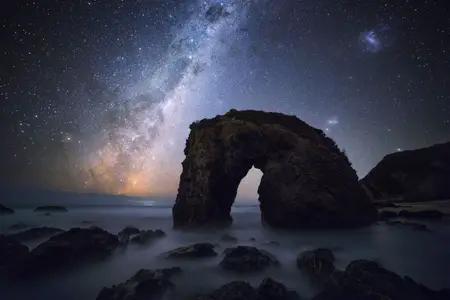
What you'll see: The Southern Cross, bright winter constellations and the Milky Way arching overhead.
Local tip: For darker skies, head towards Hervey Range or Castle Hill after sunset and enjoy panoramic views above the city.
Where to Stay: BIG4 Townsville Gateway Holiday Park
Crows Nest Tourist Park & Toowoomba Motor Village – QLD
Perched on the Great Dividing Range, this region combines cool winter evenings with elevated viewing points, making it a fantastic destination for stargazing.
Best time to visit: May to September
What you'll see: Open clusters of stars, Scorpius, the Southern Cross and the Milky Way on clear nights.
Top Tip: Visit Crows Nest Falls Lookout or Ravensbourne National Park after dark for some of the best elevated viewing spots in the region.
Where to Stay: Crows Nest Tourist Park and Toowoomba Motor Village
BIG4 Howard Springs Holiday Park – NT
The Top End's dry season brings warm days, cool evenings and beautifully clear skies.
Best time to visit: June to September
What you'll see: The sweeping arc of the Milky Way, bright southern constellations and brilliant star-filled skies.
Local tip: Explore nearby Berry Springs or venture towards Litchfield National Park for even darker skies away from Darwin's lights.
Where to Stay: BIG4 Howard Springs Holiday Park
Victor Harbor Holiday Park – Victor Harbor, SA
Victor Harbor combines rugged coastline with expansive southern skies, making winter evenings especially memorable.
Best time to visit: May to August
What you'll see: The Milky Way rising over Encounter Bay and, on rare occasions during significant solar activity, lucky visitors may even glimpse the Aurora Australis low on the southern horizon.
Local tip: Newland Head Conservation Park offers some of the darkest skies along this stretch of coastline.
Where to Stay: Victor Harbor Holiday Park
Stargazing tips for beginners
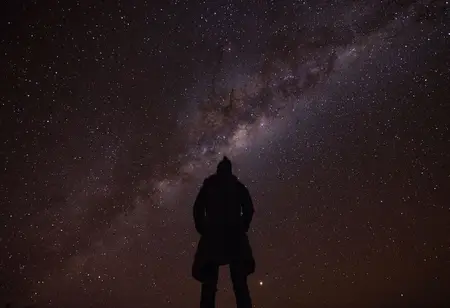
Getting started is easier than you might think.
- Check the weather forecast and aim for a clear night.
- Visit during a new moon if possible, when the skies are at their darkest.
- Download an app like Sky Guide or Star Walk 2 to help identify stars and constellations.
- Give your eyes around 15 minutes to adjust to the darkness.
- Bring a camp chair, warm blanket and a hot drink so you can settle in comfortably.
- Avoid using bright torches or your phone screen, as they'll reduce your night vision.
What to look for in the winter sky
If you're planning a winter getaway, here are a few celestial events worth keeping an eye out for:
- Bright winter planets: Depending on the year, Saturn, Jupiter or Mars may shine brightly after sunset.
- Southern Delta Aquariids: This annual meteor shower usually peaks in late July and can produce dozens of meteors each hour under dark skies.
- The Milky Way core: One of winter's biggest highlights, the brightest part of our galaxy is best viewed between May and August.
- The Southern Cross: Australia's most recognisable constellation is visible throughout the year and is particularly striking on clear winter nights.
Your next adventure starts after sunset...
Some of Australia's most unforgettable moments happen after the sun goes down. Whether you're watching the Milky Way stretch across the Outback, spotting constellations from a quiet lakeside campsite or simply sharing stories around the campfire beneath a sky full of stars, winter is the perfect season to slow down and reconnect with nature.
Wherever your next adventure takes you, Hampshire Holidays has a park nearby ready to help you go explore.
Planning your winter stargazing adventure
A clear winter night has a way of making you slow down, look up and appreciate the world around you. If you're planning your own stargazing escape, we've answered some of the most common questions to help you choose the best time to visit, find darker skies and enjoy every moment beneath the stars.
Is winter the best time for stargazing in Australia?
Yes. Winter is widely considered one of the best seasons for stargazing in Australia. Cooler temperatures, lower humidity and longer nights often create clearer skies, making it easier to see the Milky Way, constellations and bright planets.
Where are the best places to go stargazing in Australia?
Some of Australia's best stargazing destinations include Longreach in Queensland, Lightning Ridge in New South Wales, Wallaga Lake on the NSW South Coast, Lucinda in Far North Queensland, the Northern Territory's Top End and Victor Harbor in South Australia. These destinations offer dark skies away from bright city lights.
Which Hampshire Holidays parks are best for stargazing?
Some of our favourite Hampshire Holidays parks for stargazing include Longreach Tourist Park, BIG4 Opal Holiday Park, BIG4 Wallaga Lake Holiday Park, BIG4 Lucinda Wanderers Holiday Park, BIG4 Howard Springs Holiday Park, BIG4 Townsville Gateway Holiday Park, Crows Nest Tourist Park, Toowoomba Motor Village and Victor Harbor Holiday Park.
Can you see the Milky Way in Australia?
Yes. The Milky Way is visible across much of Australia throughout the year, but its bright galactic core is generally easiest to see during the cooler months. Choose a clear, moonless night away from artificial light for the best views.
What is the best time of night to go stargazing?
The best time is once the sky is completely dark, usually a couple of hours after sunset. Nights around a new moon are ideal because less moonlight means more stars are visible.
What is light pollution and why does it matter for stargazing?
Light pollution is artificial light from homes, roads, businesses and towns that brightens the night sky and makes faint stars harder to see. Travelling away from built-up areas will usually give you a darker sky and a better view of the Milky Way.
Do I need a telescope to go stargazing?
No. Many of Australia's most memorable night-sky sights can be enjoyed with the naked eye, including the Milky Way, the Southern Cross and bright planets. Binoculars or a telescope can add more detail, but they aren't essential.
What should I bring for a night of stargazing?
Bring warm clothing, a camp chair or picnic blanket, a hot drink and a red-light torch if possible. A stargazing app can also help you identify stars, constellations and planets.
Can you see the Aurora Australis from mainland Australia?
Occasionally. During strong geomagnetic activity, the Aurora Australis can sometimes be seen low on the southern horizon from parts of southern mainland Australia. Sightings are uncommon and depend on solar activity, cloud cover and light pollution.